
Military-Approved Hairstyles for Women – Personal hygiene in the military is a valued aspect of life, and hairstyles contribute significantly to discipline and conformity. To women in the military, a proper styling of hair means weighing between functionality, comfort, and compliance, as well as meeting the grooming requirements. Hairstyles approved by the military are structured to remain secure, not to interfere with headgear, and also to appear neat during extended training, drills, or active duty.
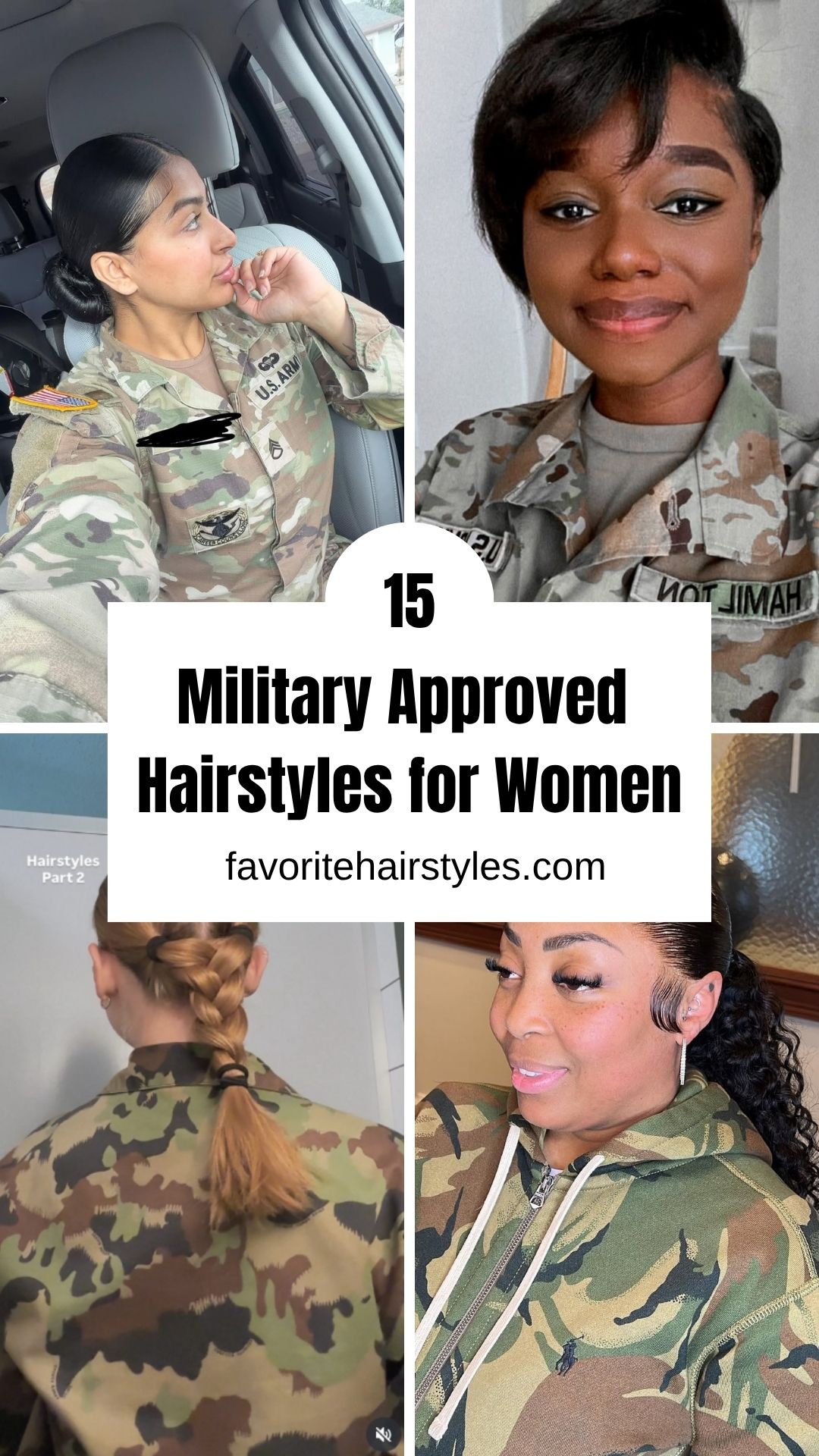
The current guidelines have been fortunate in that women have been given more flexibility than ever before, and they now have a wide range of choices that are stylish and convenient at the same time. Buns and braids to short cuts and protective styles can be found in abundance, and all of them appear neat and well-polished at the same time, being up to strict standards. These are not only onlyregulation-friendlyy but also prevent damage, tangling, and discomfort with helmets or caps that cause pain to the hair.
This guide will discuss the best military-approved hairstyles for women with elaborate ideas and tips on their maintenance. You can do your sleek low bun, a practical braid, or a trendy pixie cut; in any case, you will never be caught unprepared, unconfident, or even uneasy in any circumstance. Learn how to be professional and stylish at the same time, doing what the military grooming demands very easily.
Top 10 Military Approved Hairstyles for Women Ideas
Here are some ideas to inspire your Military Approved Hairstyles for Women:
Low Bun
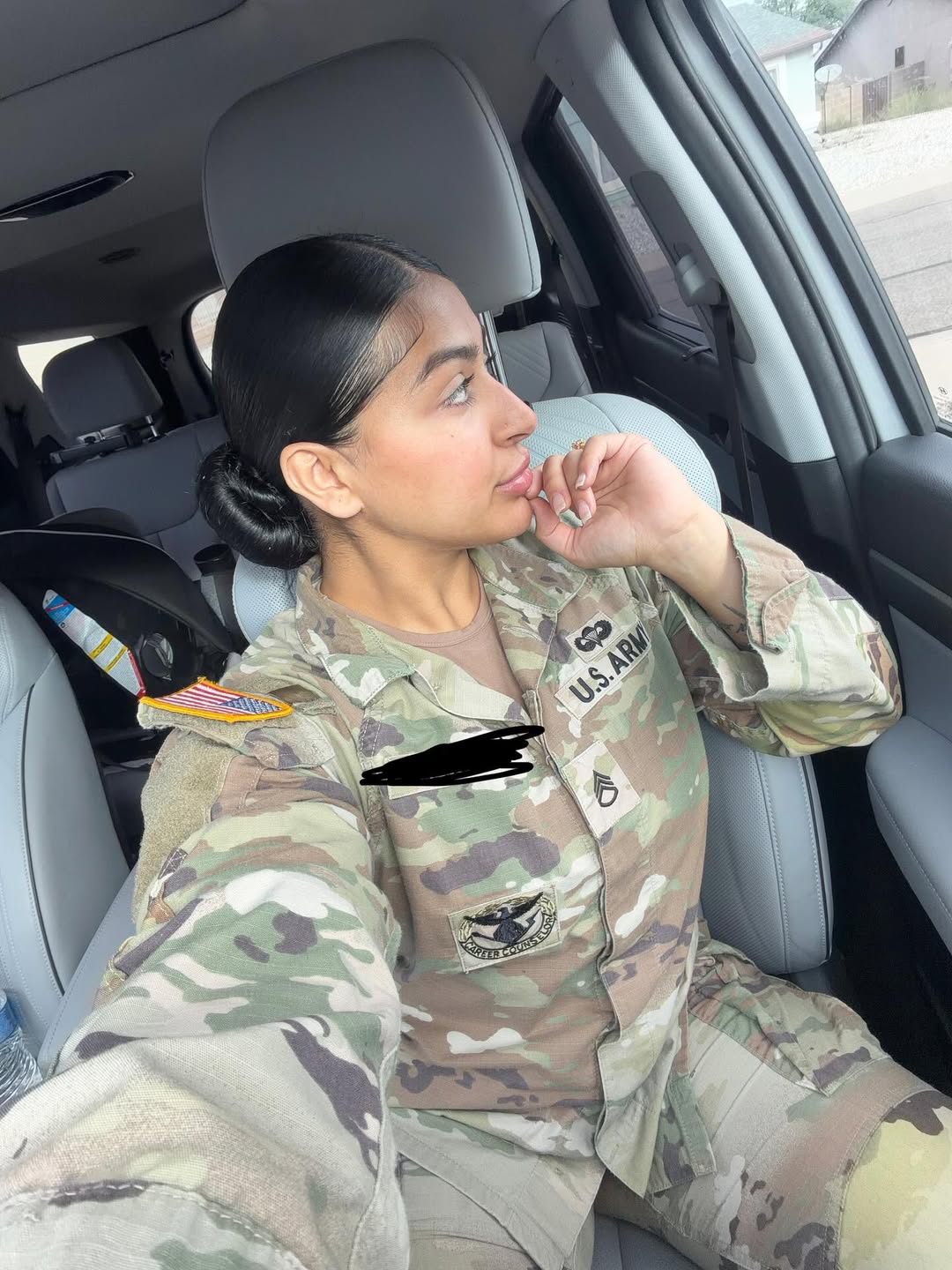
Credit@stayfitwsosa
The low bun is a regulation-friendly hairstyle that would suit medium to long hair. It is fitted at the back of the neck and is stable even with helmets and caps, which means that it can be worn even during active service. In order to get a smooth appearance, pull all your hair, twist it into a bun, and hold it together with a bobby pin or a hair tie that matches the color of your hair. Light gel or hairspray is applied to keep it in place all day long. This style will reduce flyaways, will not be tangled, and will not leave the hair on the collar, and will appear clean and neat, and professional, as well as meeting the military tournish requirements.
High Bun
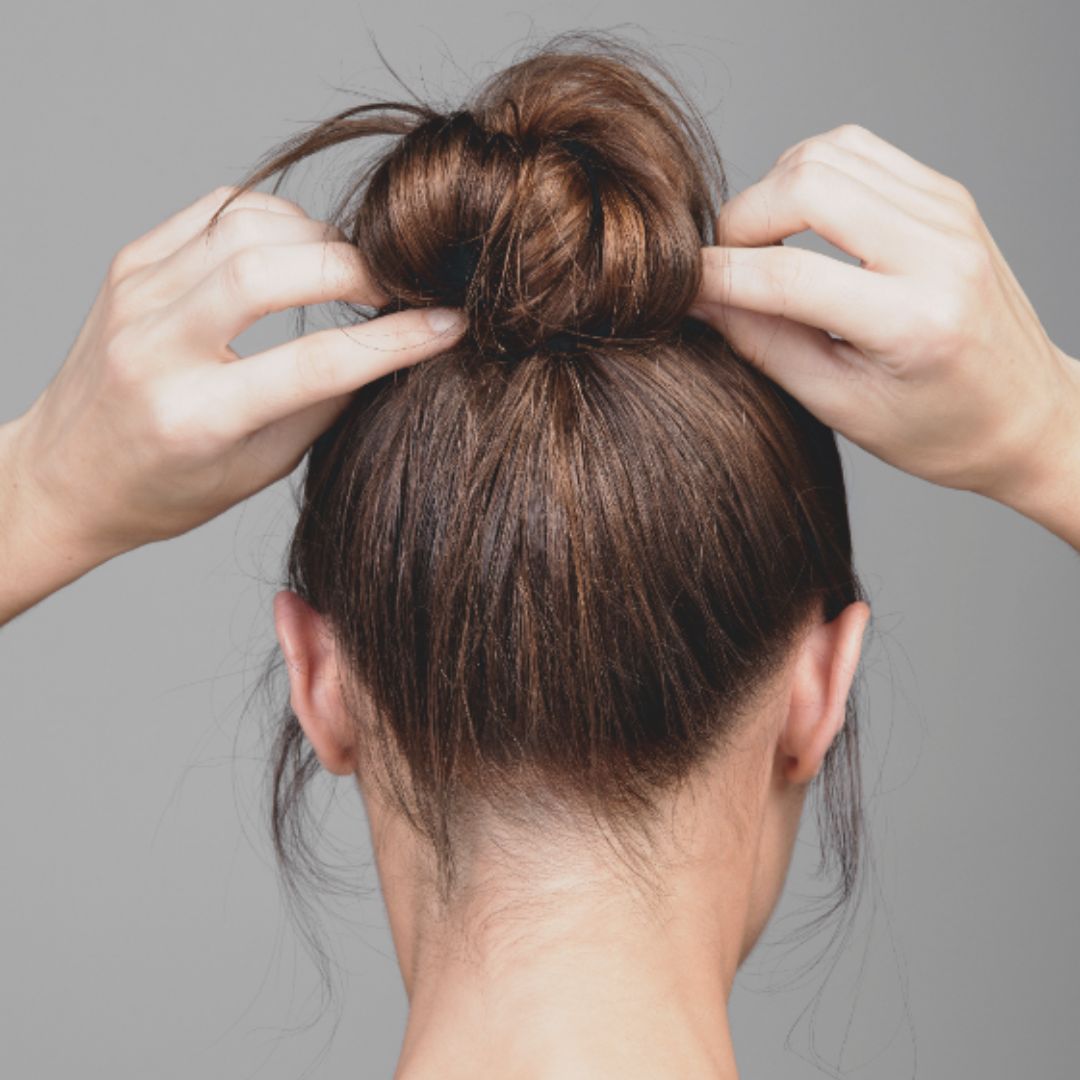
The top of the nape is covered with a large bun that is still within the limits of regulation, which gives added protection to the longer or thicker hair. It suits best in intense physical activities because it can keep hair out of the face and neck. Styling: To make the hair into a ponytail, wrap it round and round into a bun, and hold it with pins. There are a few permitted accessories, and smoothing gel keeps the stray strands at bay. High buns are neat and presentable and can fit under helmets and hats, which makes them useful and at the same time, are suitable with a professional military look.
Single Braid
.
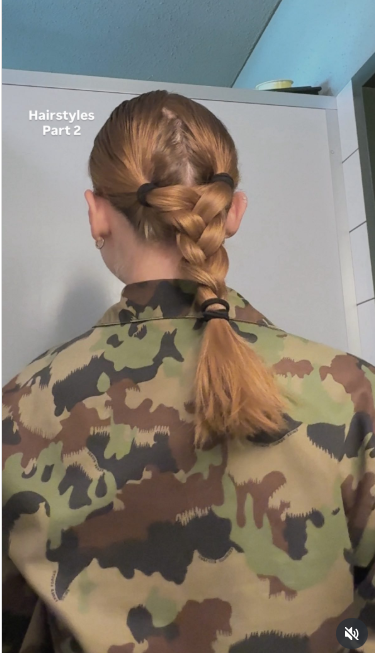
Credit@gmermod
Long hair is best put into one braid, where it will be kept in place and will not tangle during training or a field game. It fits well at the back, keeping a disciplined appearance, and fits most of the length regulations. Begin by combing the hair and emptying out knots before separating it into three parts and firmly braiding it. Tie the end securely using a neutral hair tie and apply a small amount of styling product to make sure that the hair does not fly away. This is a low-maintenance style, tough, and keeps hair functional, and does not interfere with uniforms, headgear, and inspections, as well as being a popular style among servicewomen.
Double Braids
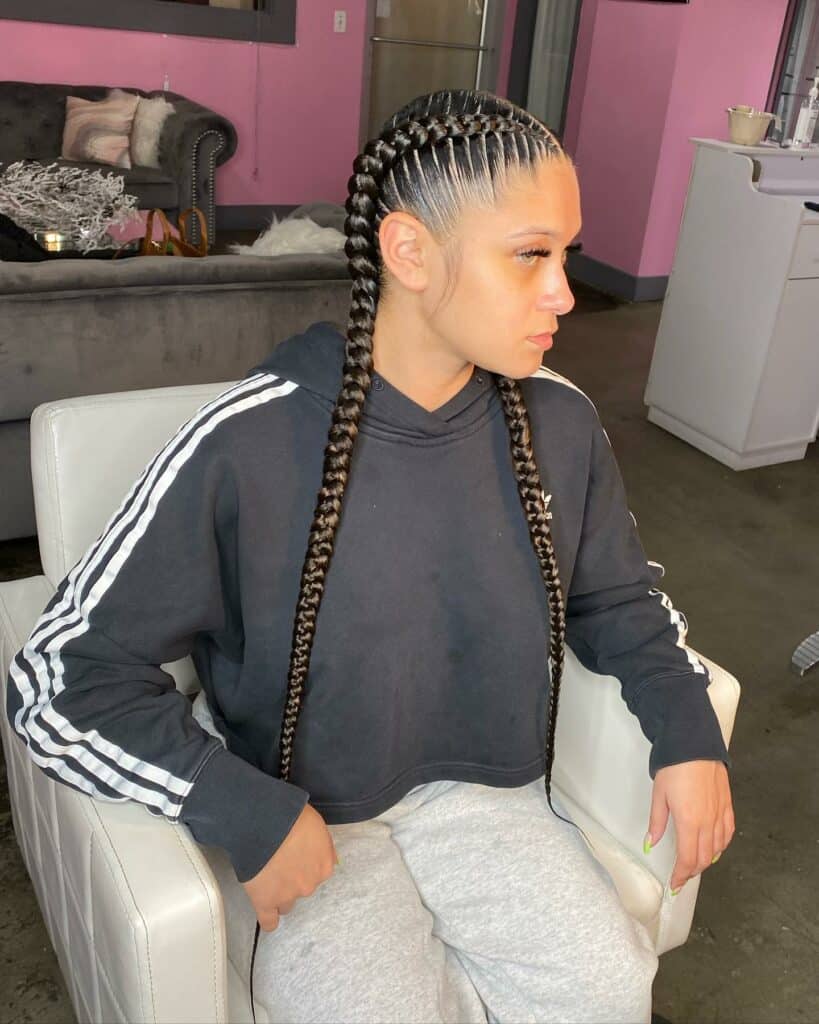
The hair is divided evenly into two braids or twin braids, and helps to distribute weight by removing tension on the scalp. They particularly come in handy when there is physical training or outdoor work, when the style is safe and well-kept. Start by splitting hair into two equal sides and braiding each of them, and tying them up with identical hair ties. This style is also simple to wear against the head; it is easy to wear under the headgear, and it does not allow the hair to interfere with tension. The braids are easy to wear and maintain, meet the standards of military hairdressing, and provide women with an alternative to braids that is not messy but is still a good option to have a style that can be worn all day long.
French Braid
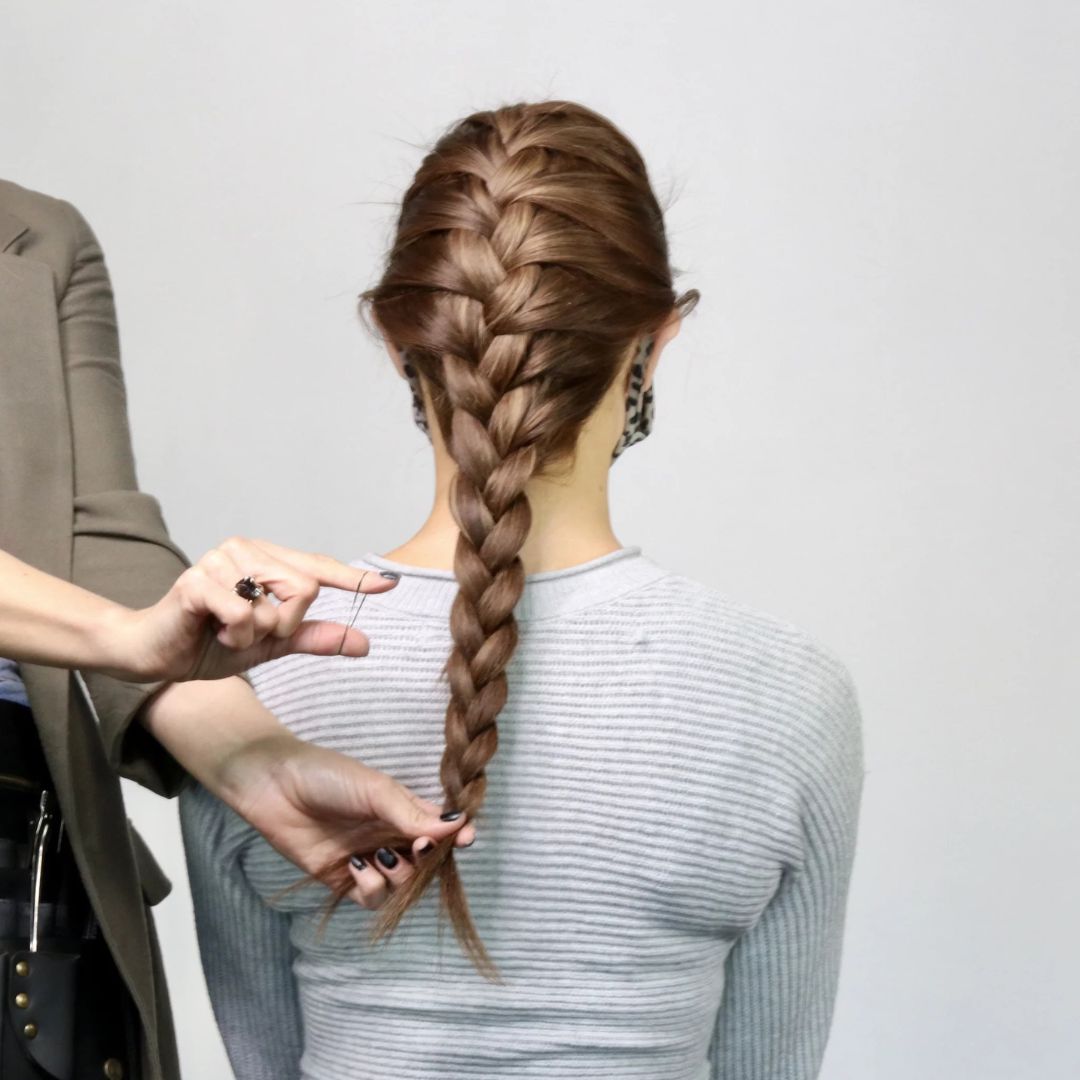
French braid is an all-time and professional hairstyle that holds hair firmly against the head. The process of positioning hair on top of the head as you braid keeps the hair close to the head, which does not allow loose strands of hair or inconvenience from objects on the head. This is a type that fits long hair or medium hair, and can fit any military setting. Wear neutral hair ties and a little styling gel to have a smooth finish. French braids minimize tangles and breakages, which allows long durability in uniform. They are stylish and practical at the same time, providing servicewomen with a high-end, regulation-conforming look without sacrificing comfort.
Dutch Braid
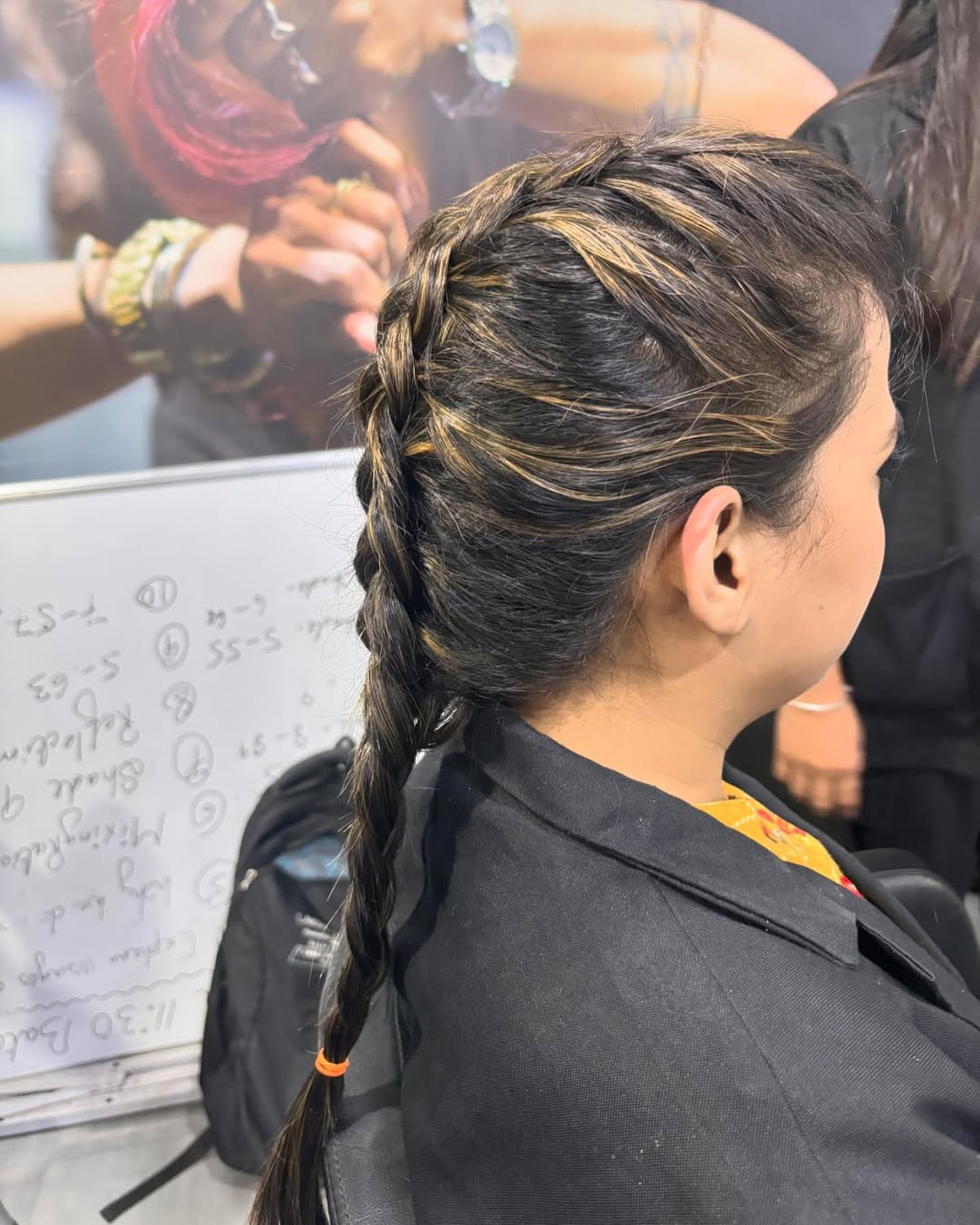
Credit@shikha_cosmetology
The Dutch braid is related to the French braid except that it is lifted off the head, creating a structured and textured appearance. It holds back hair and keeps it flat, and therefore is suitable during physical activity or in the field. In order to style, separate the hair into three parts and put the outer strands across the middle, and add hair on the sides. Make a small neutral hair tie to finish. The Dutch braids are practical, durable, and can be used with a cap or helmet. The style also suits hair of all lengths and types, and is presentable enough to allow a disciplined and professional geeky look, but also meets the requirements of military hair styling.
Low Ponytail
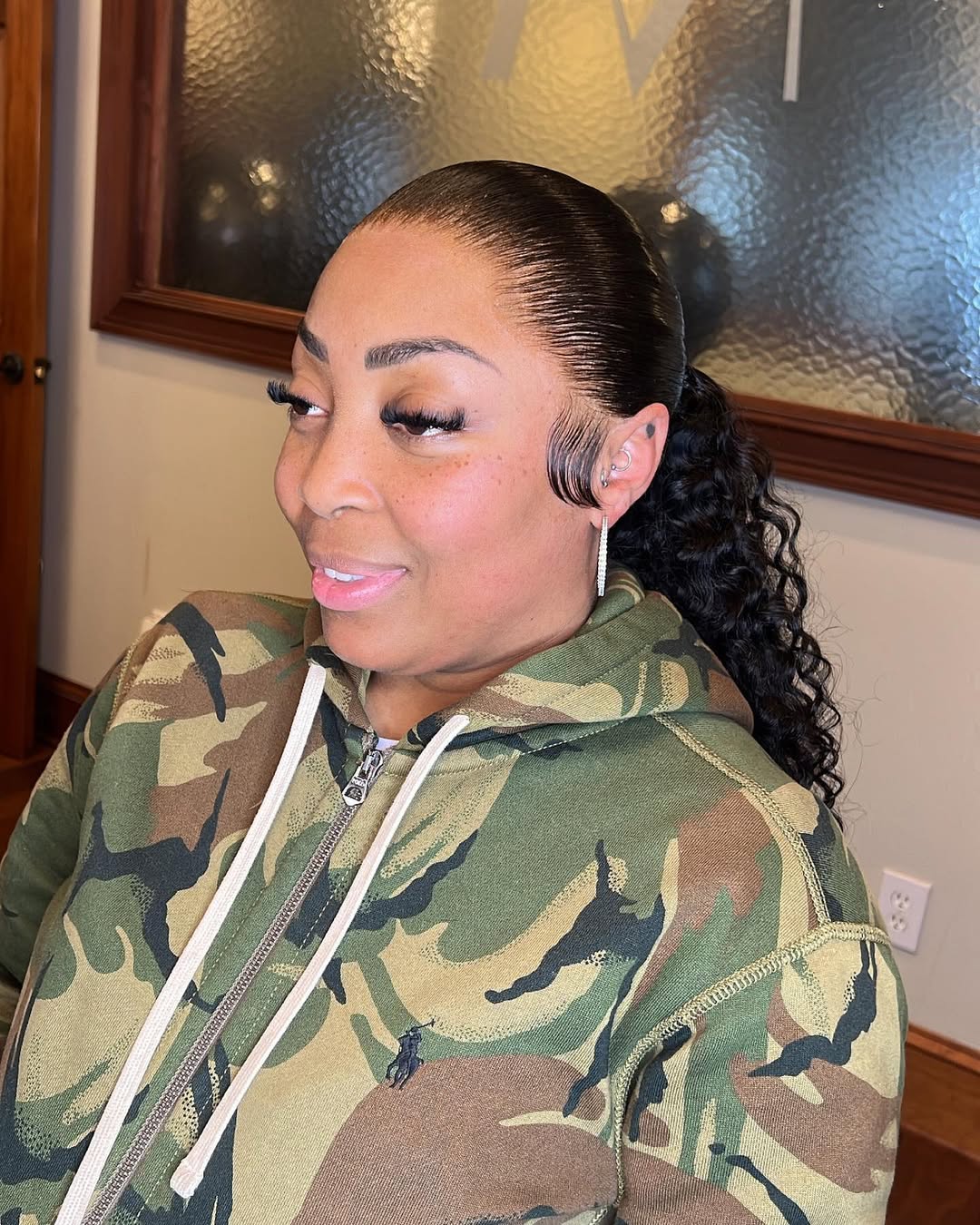
Credit@kimsthairapy
Low ponytails are easy and do not violate any rule, particularly when in a training exercise or during casual work. The pony curly is very tight, close to the ne,ck and has no huge accessories or hanging hair. This style does not allow hair to interfere with uniform equipment. Brush the hair or apply gel to make it look tidy, dry, and use a hair tie that is of a neutral color. Low ponytails are also informal compared to the buns and braids; therefore, useful to wear on long days. They are simple to keep, make-up fast, and offer a business appearance that meets the needs of the military grooming standards.
Pixie Cut
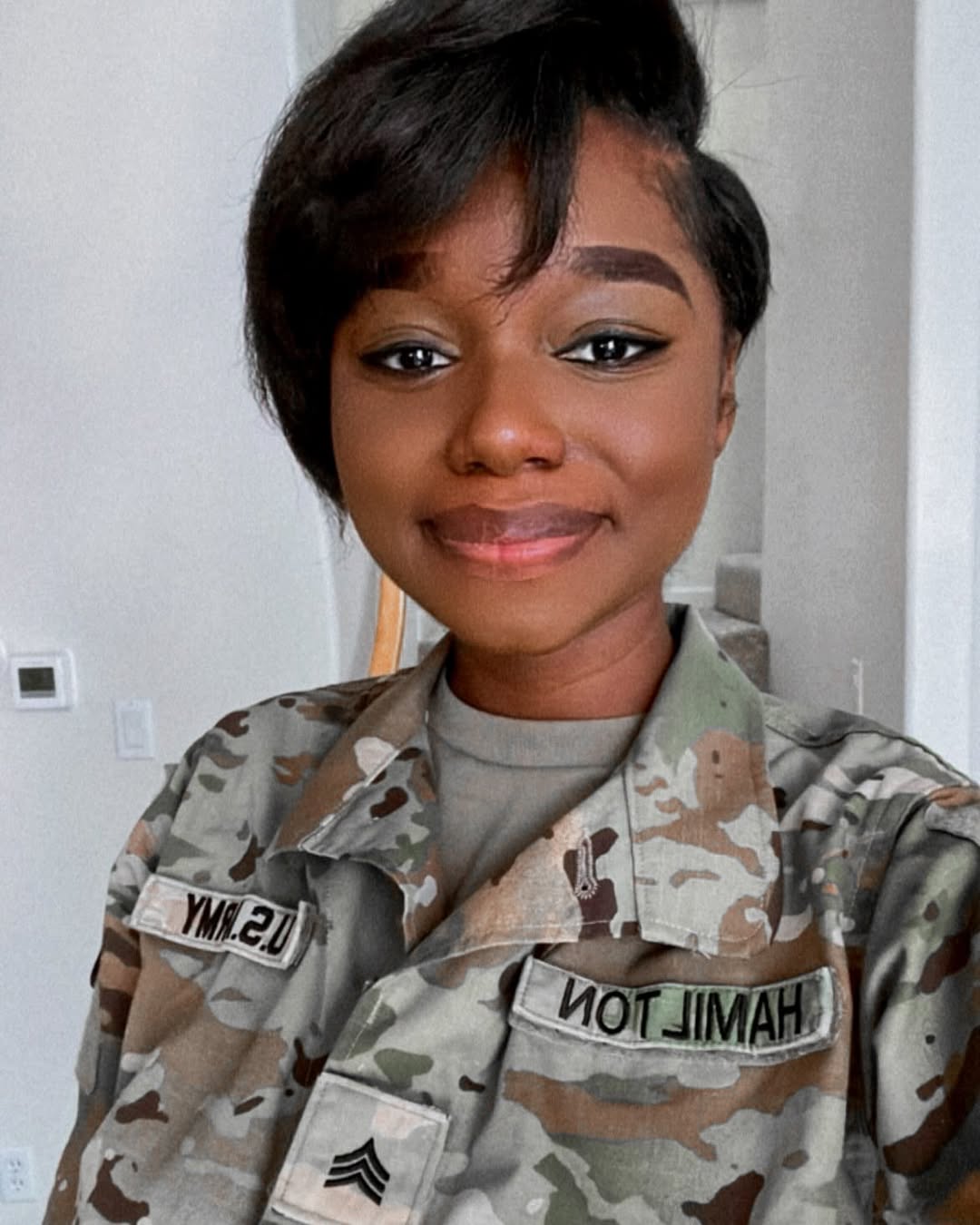
Credit@yasjenny
Pixie cut is a low-maintenance and short hairstyle, which needs little styling but fully adheres to the military regulations. The hair is kept over the collar, is light, and never obstructs helmets or headgear. Frequent cuts keep the hair tr, and the amount of hair product used is minimal to achieve a clean and tidy look. Pixie cuts are handy among active-duty servicewomen, as they are comfortable, easy to wear, and give them a professional appearance. The style suits well the individuals who like to keep things uncomplicated and are willing to take care of their grooming, at the same time have a confident, clean-cut look. It is straightforward and functional, as well as addressing personal and military needs.
Bob Cut
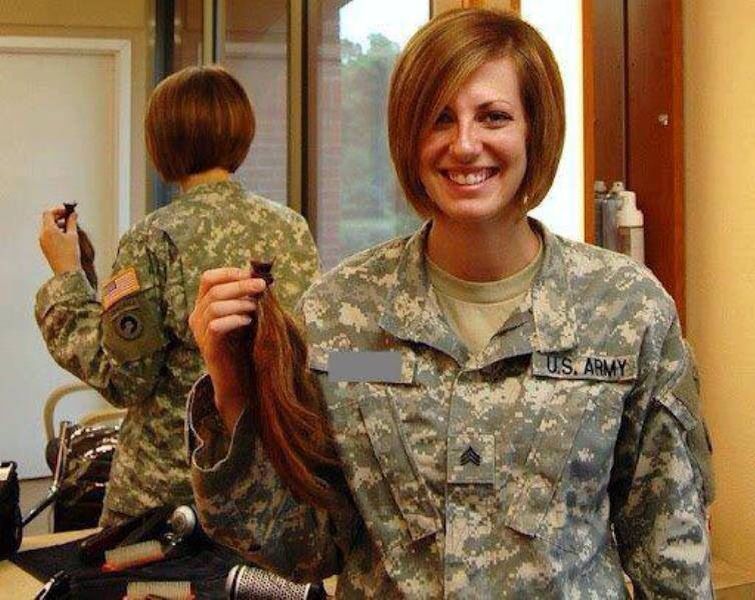
A bob cut that is above the collar is easy to handle, fashionable, and versatile. It enables women to have a professional appearance without using pins or going to great lengths to look decent. The hair ought to be trimmed, smooth, and it should be bereft of the strands that go beyond the collar. Bobs can also be used with natural textures and do not feel uncomfortable when worn under a headpiece. This hairdo is an ideal blend of femininity and compliance with the regulating aspects. It suits all kinds of faces and all kinds of hair, which gives it a professional, disciplined look and is acceptable in military grooming.
Protective Styles (Cornrows/Twists)
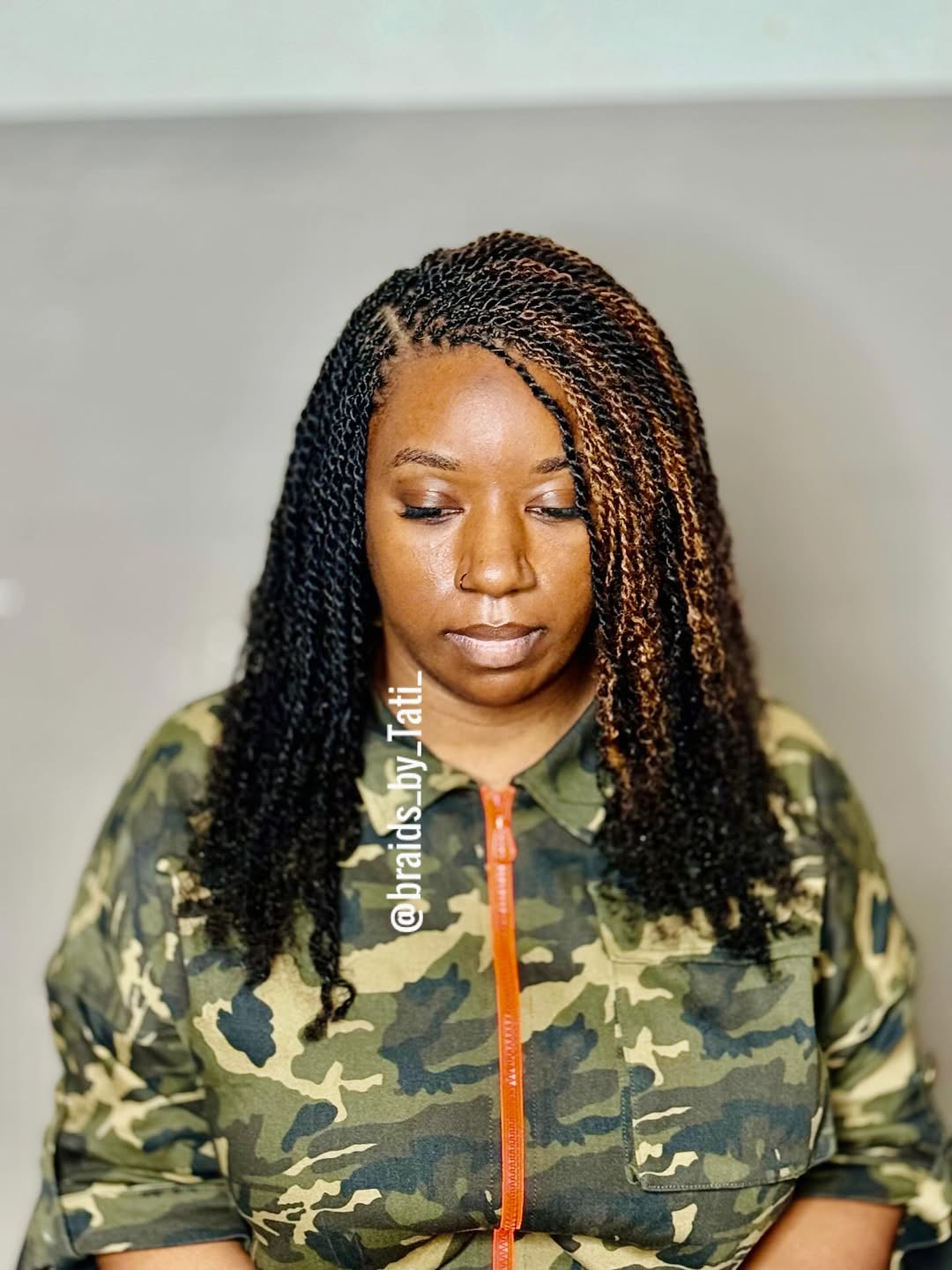
Credit@braids_by_tati_
The best protective styles to use on natural hair would be cornrows, twists, or flat braids, as they are very durable and less damaging to the hair. They have to be flat to the scalp and the same to meet the military standards. The styles are very good in long deployments or harsh climates since they cannot get tangled and they do not get broken. Any extensions must be as sparse as possible. Protective styles are both functional and stylish, keeping the hair in place during active duty and looking well-groomed and regulation-compliant. They are convenient, low-maintenance, and acceptable to women who want to have a professional but versatile hairstyle in the military.
Tips for Maintaining Military Hairstyles
- Apply Light Styling Product: To hold back flyaways and keep the hair greasy, use a little gel, mousse, or hair cream. Do not use heavy products that can cause hair to be stiff or greasy, particularly during helmets or caps.
- Select Hair Accessories (Neutral): Select hair ties, hair pins, or hair clips that match your hair color. Big, bright, or ornamental accessories are usually prohibited according to the military regulations.
- Fasten Hair In Place: Buns, braids, or ponytails should be tight and secure. The more pi, ns the better to keep styles unraveled during physical activity or a drill.
- Trim Regularly: Hair must be of regulated lengths and trimmed edges. Frequent end cuts make the hairstyles clean and orderly.
- Guard Hair on the Field: Wear hair under caps or helmets whenever necessary. Braids or buns are the styles that can be worn to minimize friction and entangling in case of active duty or outdoor activities.
- Keep Hair Healthy: Wash and condition your hair to avoid being dry and splitting. Apply the moisturizing products that apply to your hair type to ensure it is strong and controllable.
- Apply Small Amounts to Natural or Curly Hair: In case of textured hair, use light oils or leave-in conditioners that keep the hair in place without being bulky and untidy.
- Plan Rapid, Efficient Styles: Sandpaper quick-styling tricks. The styles, such as low buns, braids, or ponytails, can be made within minutes with constant practice.
- Edge Care: To appear smooth, slightly flatten hair in the hairline using edge-control products. It is particularly useful with braids or buns to look clean and professional.
- Keep strands Loose strands around the face or otherwise should be tucked in. Free hair may also disrupt the view, equipment, or inspections, and it is essential to ensure that everything is in place.
- Modify in Relation to Climate and Effort: When there is a humid climate or a windy day, it is a good idea to wear certain protective hairstyles, such as braids or twists, in order to prevent frizziness and remain uniform all day long.
- Wash Hair Under Headwear: When wearing a helmet or a cap over a long period of time, it is essential to wash it regularly to avoid accumulating odors or irritation of the scalp.
Final Thoughts
Female military hairstyles show that professionalism and style do not necessarily go against each other. Depending on whether you like having a low bun, having braids, or even getting a short cut, the only thing you need to do is to make sure your hair is not messy, out of place, and that it does not violate any laws, yet it is comfortable to have all day. These hairstyles are meant to be tough and resistant to strenuous training, field work, and extended hours in uniforms, without losing their usefulness and style. With the right style to match your hair and your lifestyle, with proper hair care and grooming, military women would be assured of looking presentable, disciplined, and professional. The right hairstyle can be not only practical and fashionable, but also allow you to stay confident, efficient, and ready in any situation.
FAQs
Q: What do women wear as hairstyles in the military?
A: Depending on the branch, hairstyles like low or high buns, single or dual braids, French or Dutch braids, low ponytails, pixie cuts, bob cuts, and protective styles that meet the criteria of the regulations, such as cornrows or twists, are permitted.
Is wearing accessories in their hair allowed in uniform for women?
A: Yes, however, with only slight and neutral-colored accessories such as hair ties or bobby pins that would match the hair color. Big and ornamented objects are generally not allowed.
Q: What is the longest length of military-approved hairstyles?
A: Hair should not be allowed to cover the collar and should not touch the headgear. The precise length boundaries are different depending on the branch, although it is about tidiness and practicality.
Q: Do natural hair hairstyles exist?
A: Yes, the styles such as cornrows, twists, and small braids are permissible provided they are even, flat against the scalp, and do not create too much bulk.
Q: What can I wear asmyy hairstyle during duty or field training?
A: Apply light styling gel, use hair ties and hair pins that are neutral, use styles that last long, such as braids and buns, nd keep hair clean and conditioned to avoid knotting and breakage.