
Use of protective hairstyles on 4C hair is not merely the act of wearing hair as an item of beauty, but a major component of keeping this hair texture healthy and alive. 4C hair is versatile and famous due to its tight, dense coils and shrinkage of up to 75%, though it has to be cared for with extra efforts to remain healthy. The fragile type of hair, 4C hair, is more likely to become dry, brittle, and entangled, and a protective style should be considered the priority.
The significance of protective hairstyles in ensuring the health of 4C hair is hard to overestimate. These styles have the virtue of reducing manipulation and exposure of the ends to external forces and maintaining moisture. They assist in lessening the breakage, popularizing the length, and maintaining the moisture, all of which are the key to sustaining the 4C hair as strong and magnificent. Not only do the protective hairstyles ensure that the hair is protected, but they also allow the user to play with the creative hairstyles without damaging the health of the hair.
Protective Hairstyles for 4c Hair Ideas
4C hair cannot be broken, and its length is maintained, and moisture is preserved without protective hairstyles. Not only do these styles shield the delicate strands, but they also provide the style flexibility coupled with classiness on any particular occasion.
Box Braids
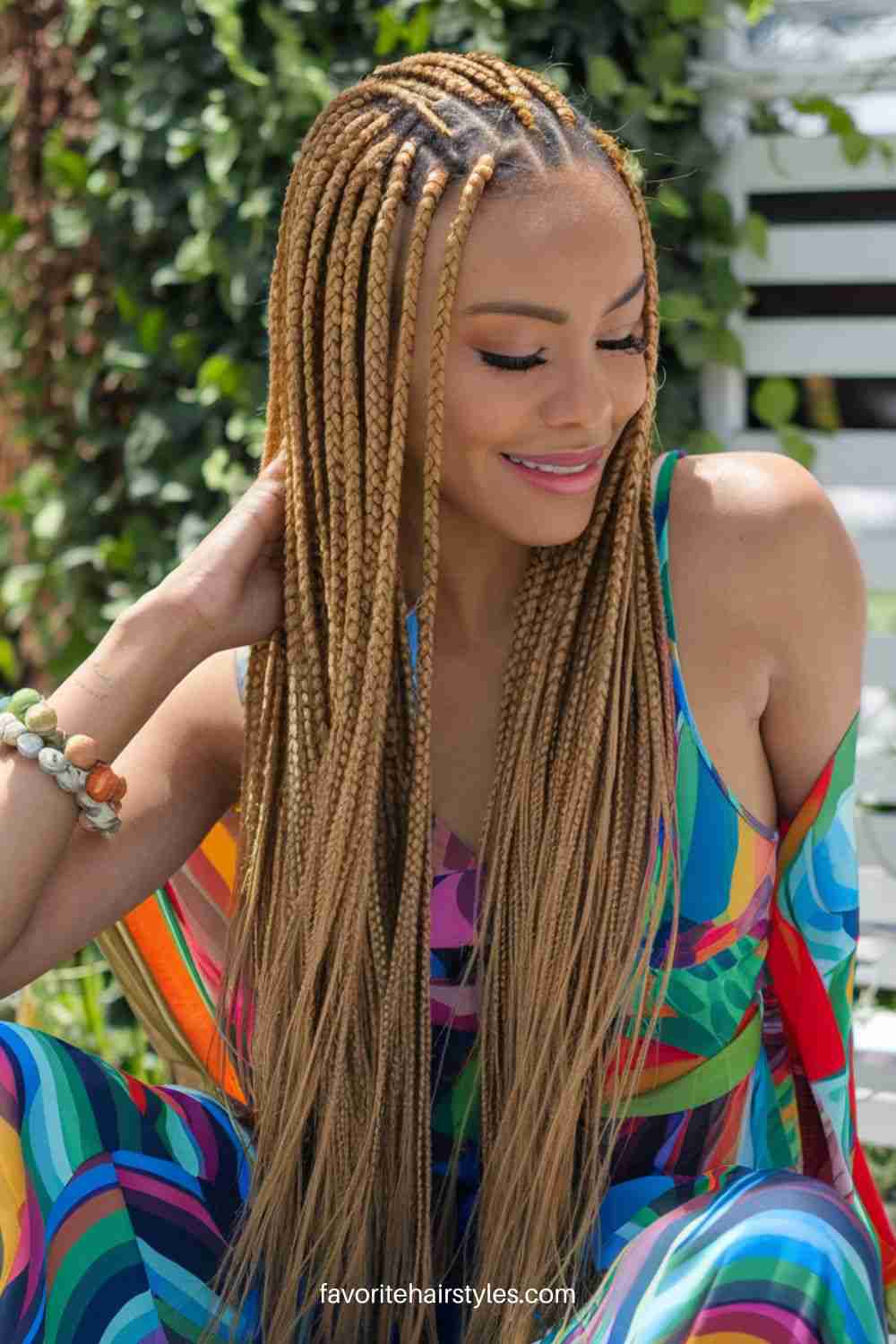
Box braids are one African protective style that has existed forever. They include the division of the hair into square patterns and the down-braid with extensions to make it longer and thicker. It is a low-maintenance style that can be maintained over a few weeks, and given the right care, it will stay, and your natural hair will have time to rest and grow. Also, box braids may be styled in many forms, including buns, ponytails, or even curled ends, and, therefore, they are versatile.

The Knotless Braids
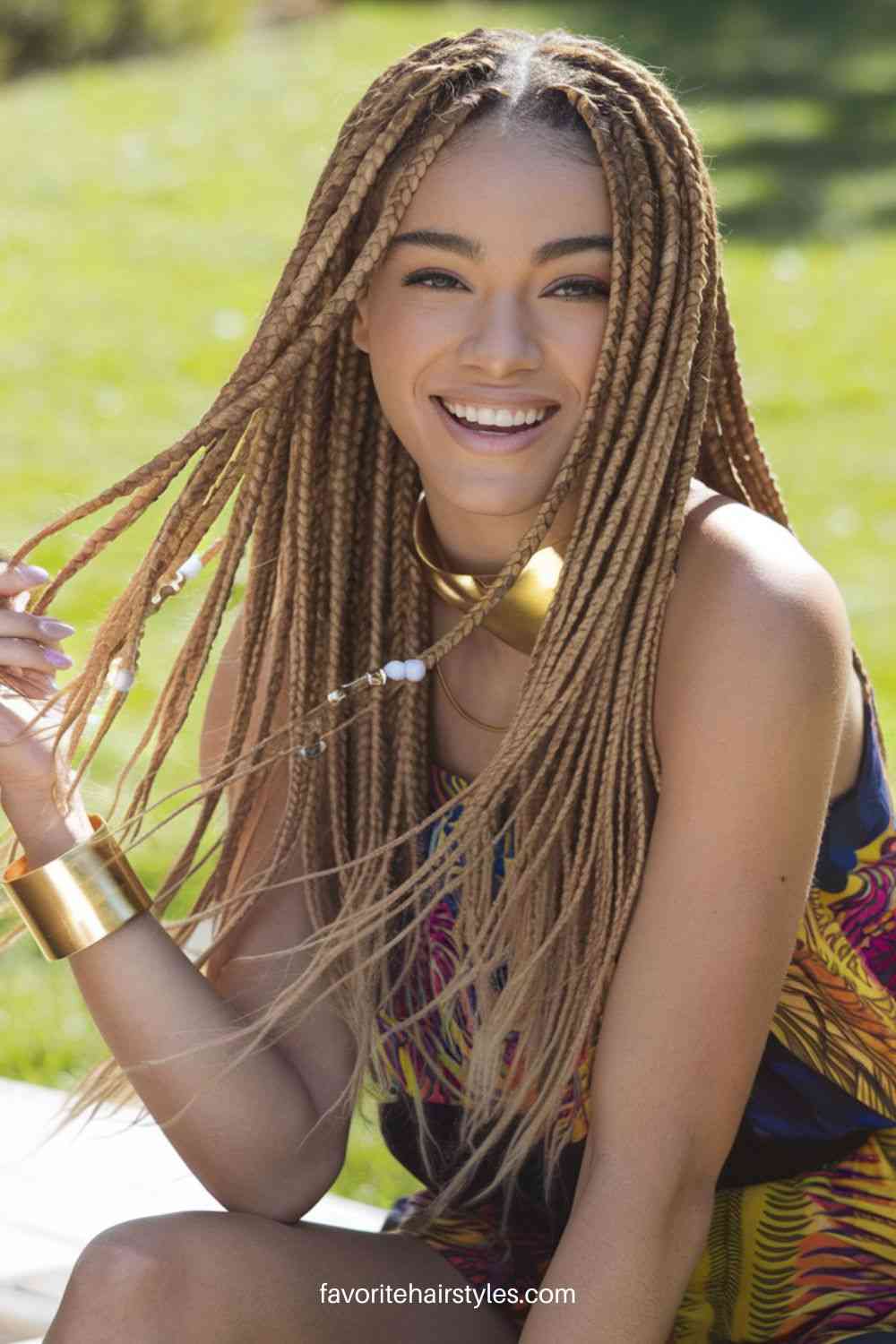
Knotless braids are made of natural hair, and then extensions are added gradually, unlike box braids, which have knots to hold the extensions. This method eliminates scalp tension and lowers the chances of breakage, which is why it is best with 4C hair. Knotless braids look natural and are light, which increases the flexibility in the style and comfort. And they are ideal for keeping your edges and ensuring that your hair is generally healthy.
Two-Strand Twists
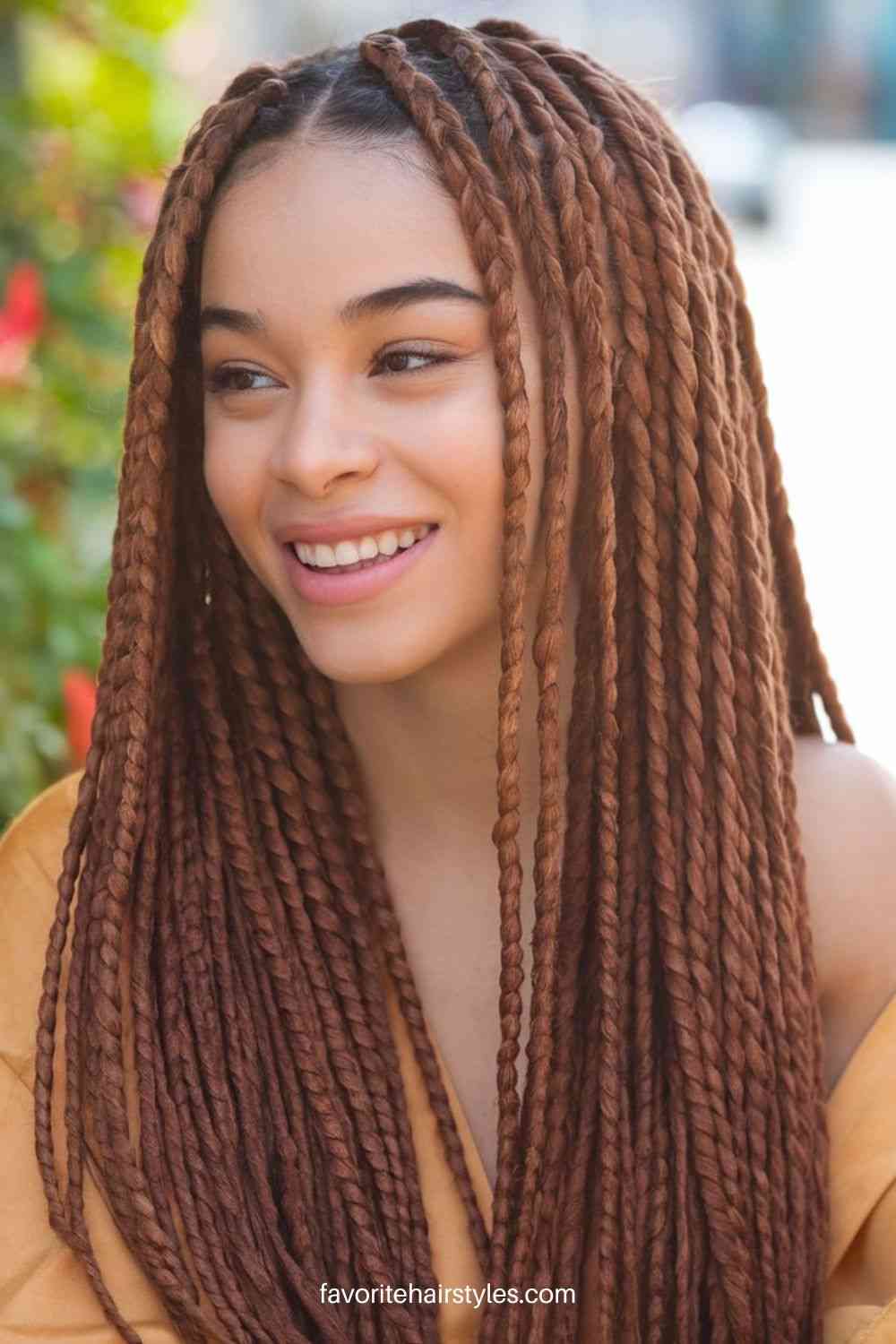
Two-strand twists are an easy but efficient protective style that can be done with or without extensions. This style is characterized by the twisting of two parts of hair around each other and results in a specific and classy appearance. The twists are particularly helpful in terms of moisture retention and eliminating twists that are typical with 4C hair. They are versatile and can be put in various styles or left to take the form of defined curls after removal as a twist-out.
Cornrows
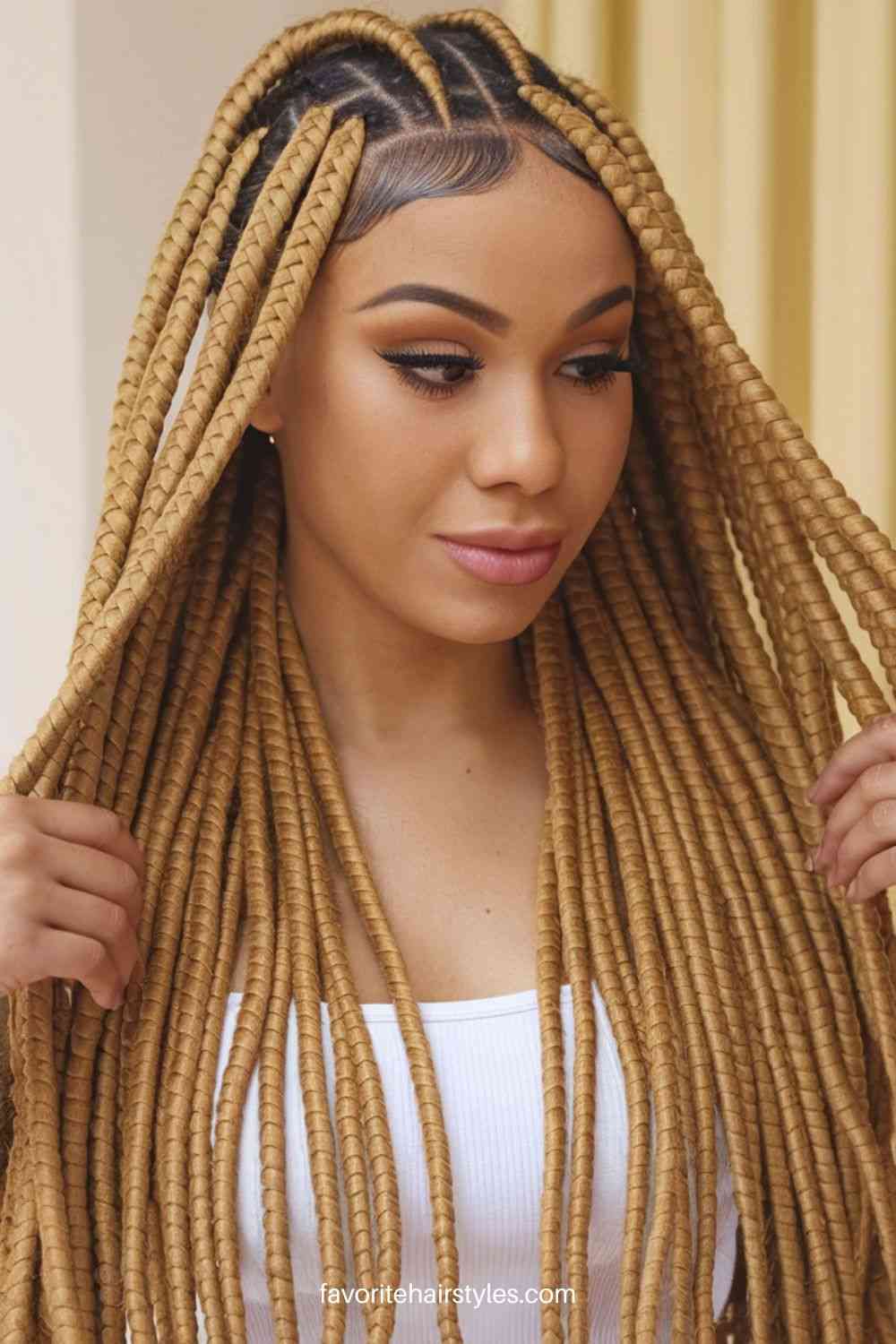
Cornrows are a traditional and handy protective hairstyle that ensures the 4C hair is kept in place. These braids are made near the head, and they may be made in complex designs or straight lines to give them a clean appearance. Cornrows form an excellent foundation for other types of styles, such as wigs or crochet braids, and reduce the day-to-day adjustment. Given proper care, they may last longer, up to weeks, hence providing utility and being trendy.
Crochet Braids
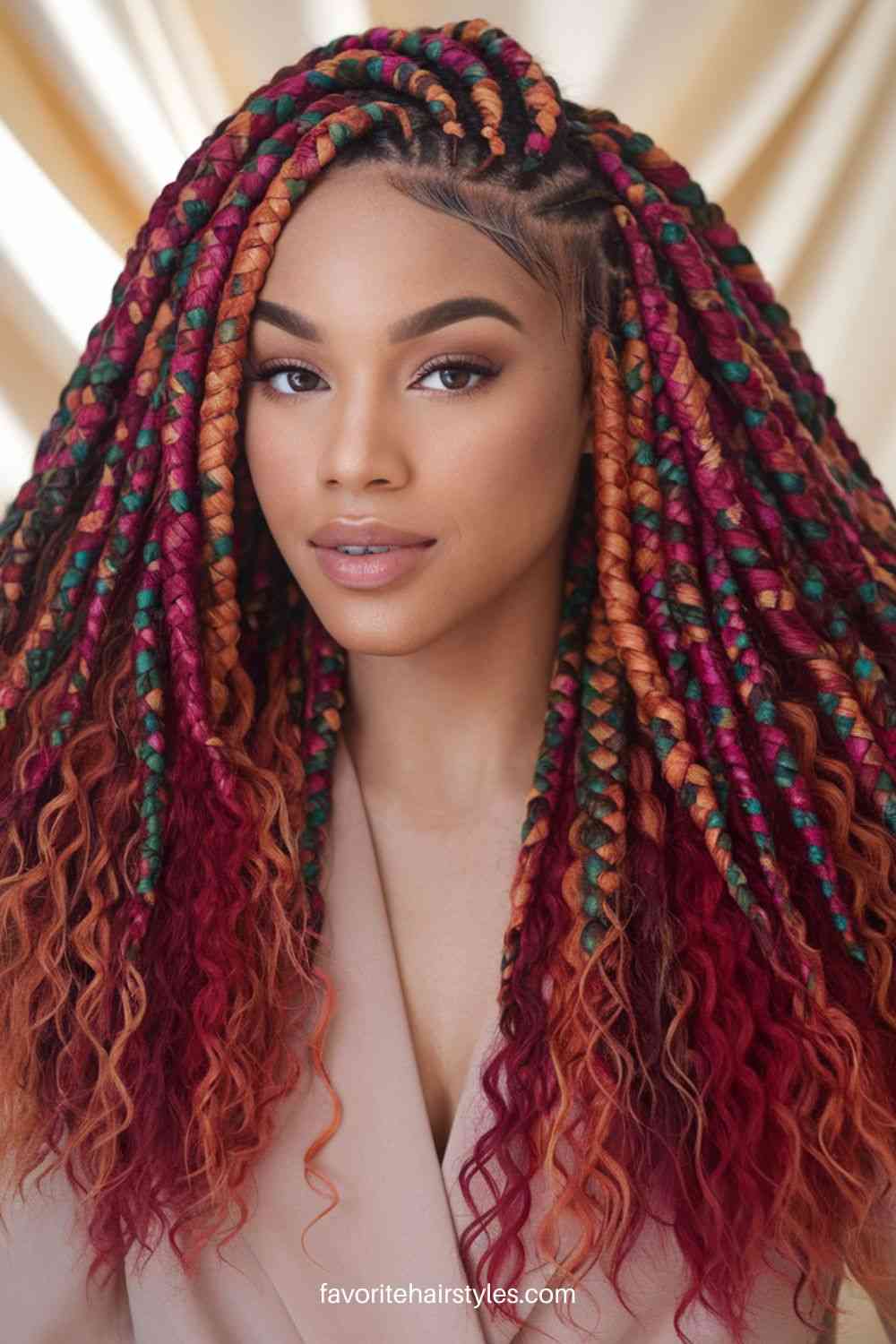
Crochet braids are a protective hairstyle that is fast and flexible and consists of crocheting extensions to your natural hair with a latch hook. This technique is not as time-consuming as the conventional braiding technique, and it puts less strain on your head. There are many textures that you can adopt, including curls, twists, and locs, to get your preferred appearance. Crochet braids provide the experience of changing the style and leaving your 4C hair unharmed.
Faux Locs
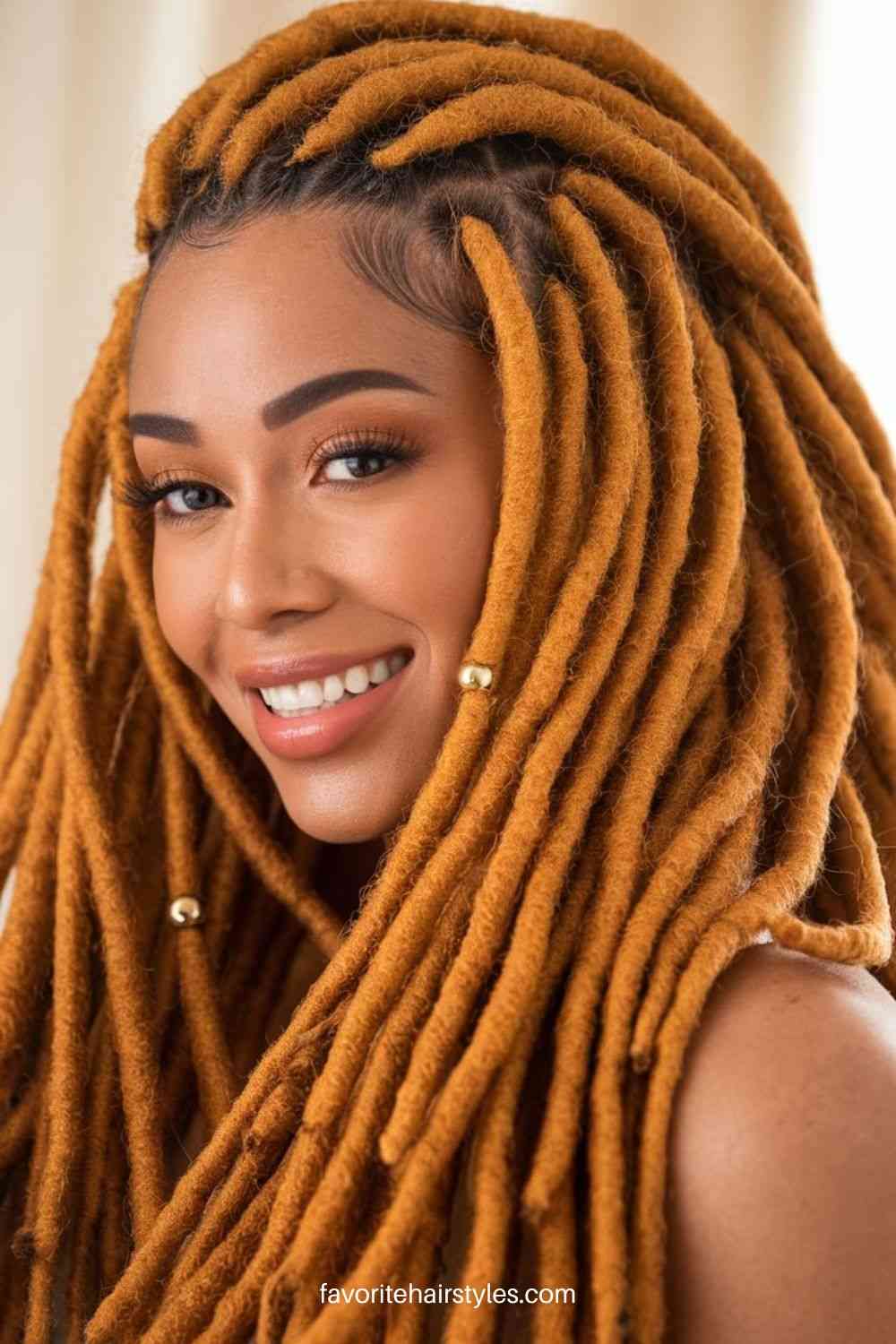
Faux locs replicate the appearance of natural dreadlocks, but not the commitment required. They are the act of wrapping extensions around your hair, which creates a trendy and stylish fringe that prevents your hair, especially the 4C, from breaking. Faux locs are easy and durable, which makes them a great alternative for a person who tries to have a bold and protective hairstyle. They do provide you with choices of length and color.
The Halo Braid
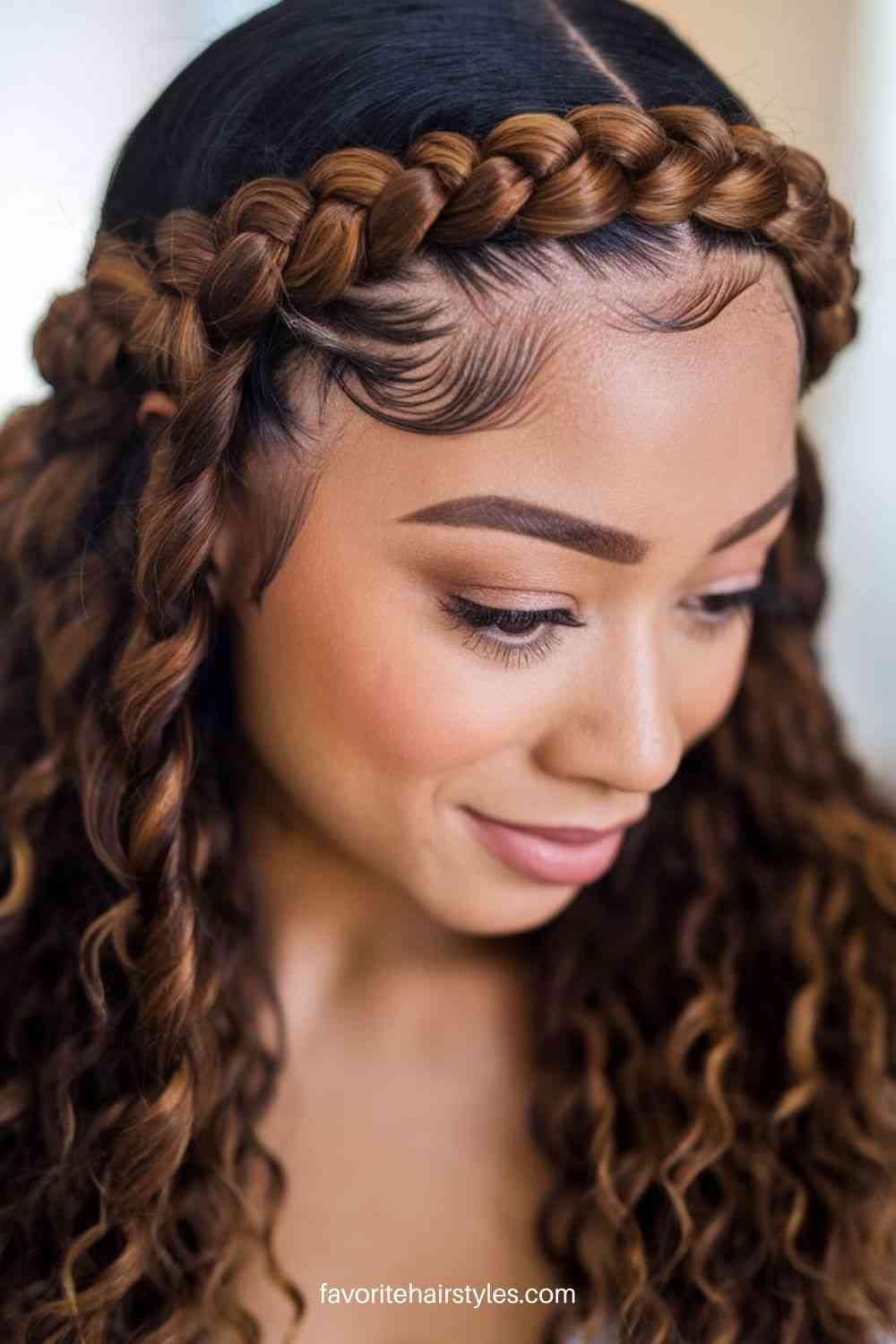
The halo braid is a beautiful updo that covers your head in the form of a crown. It is a classy protective style that folds away your ends and protects them against environmental stress. The halo braid suits best on formal occasions or for the day-to-day stuff, and it is simple to keep your hair damp without manipulating it too much. It is an excellent option to demonstrate the loveliness of 4C hair in a civilized manner.
Low Bun with Extensions
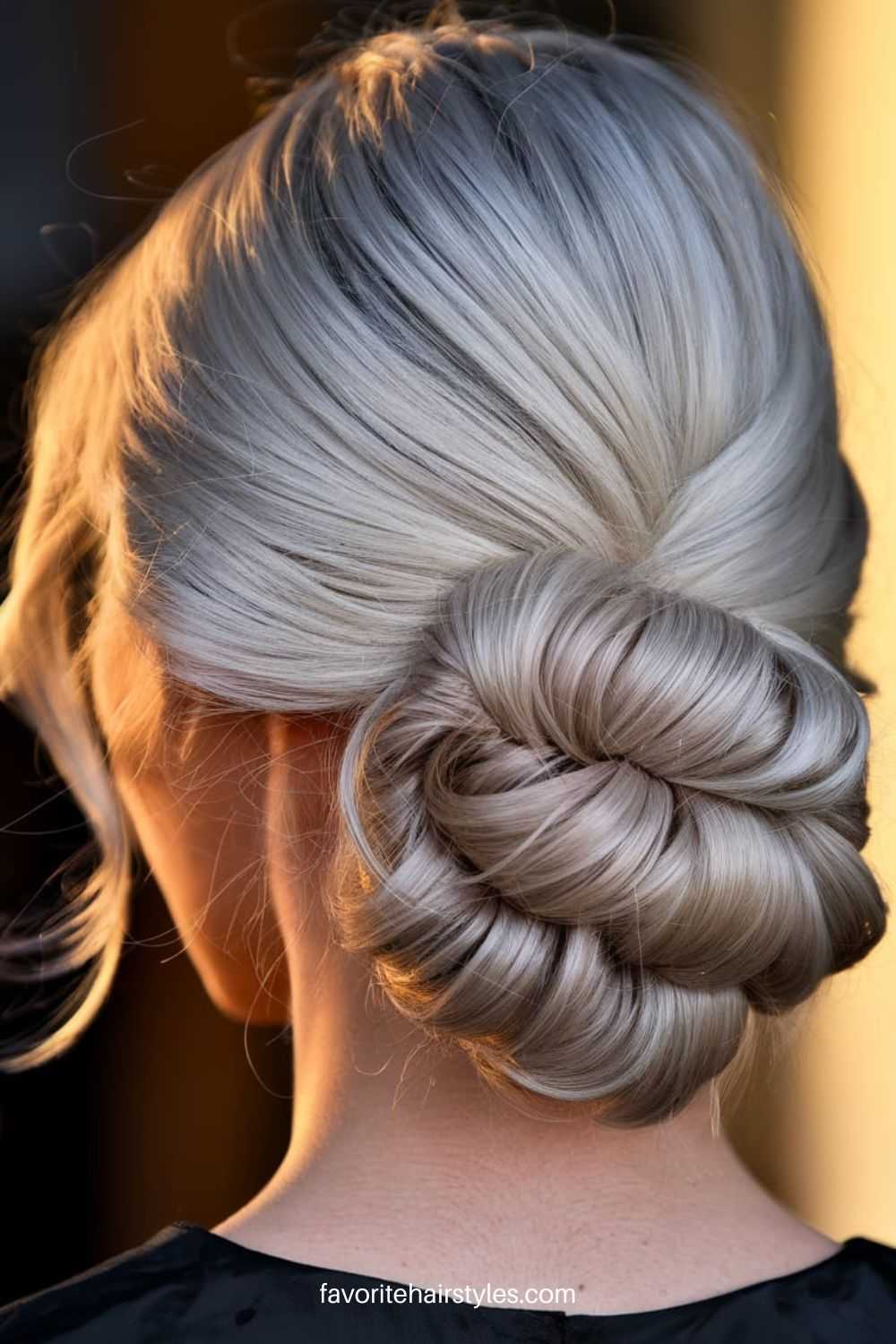
A low bun is a smooth and subtle protective hairstyle that can be extended with extensions to have more volume. In this style, your hair is brought towards the back of your neck, and it is held down and kept out of the way. It is ideal in terms of appearance for professionals or even those who want a casual look with less maintenance. Your products will get a smooth finish, and you can save your edges and moisture with the right products.
Mini Twists
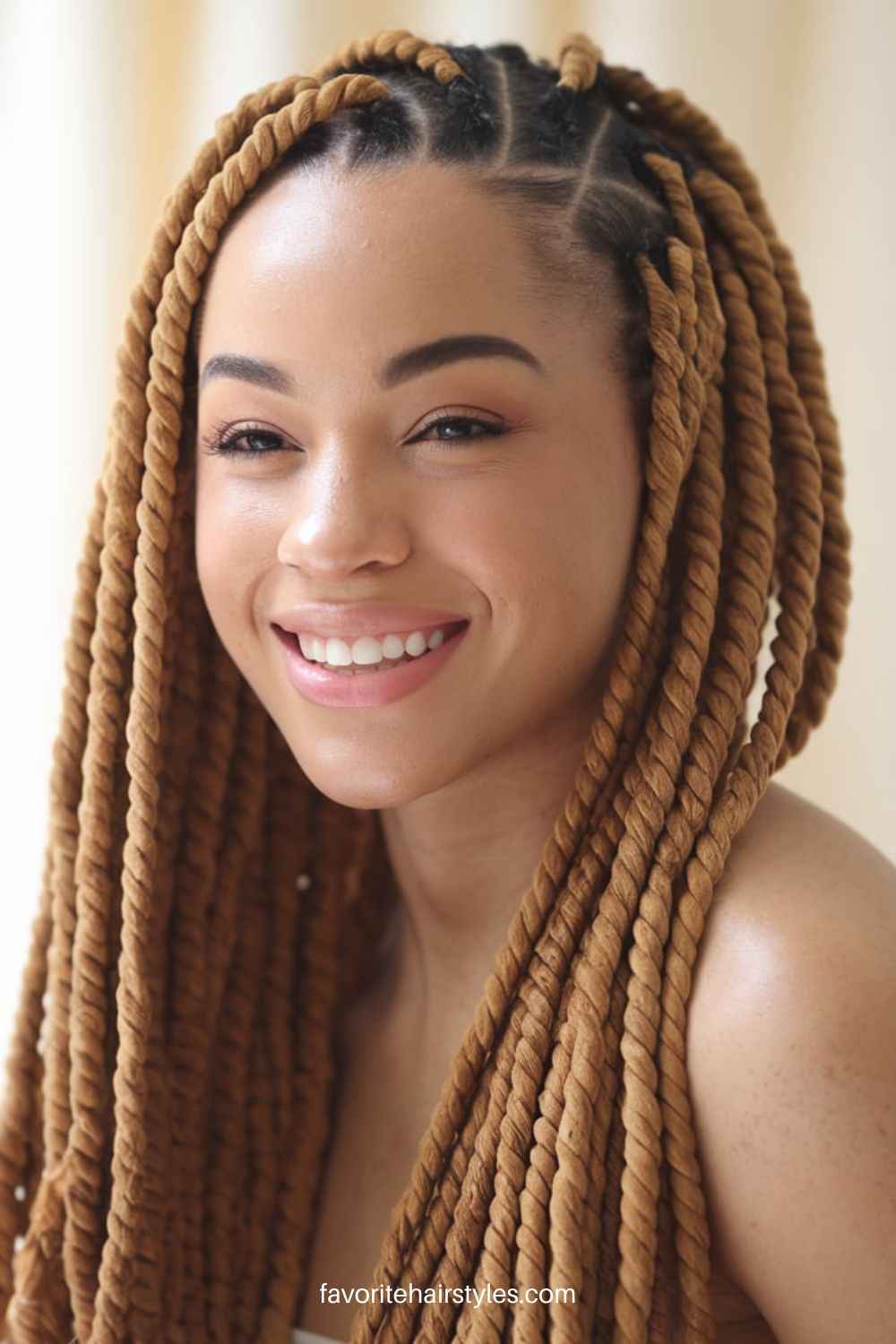
Twis: Two-stranded twists are made smaller and more detailed in mini twists. They take a long time to install, yet they are well worth it because of their durability and versatility. The mini twists can be put in a bun, ponytail, or just left loose to make the hair light and natural. They are especially good in terms of length retention and moisture preservation and are popular with the 4C hair lovers.
Bantu Knots
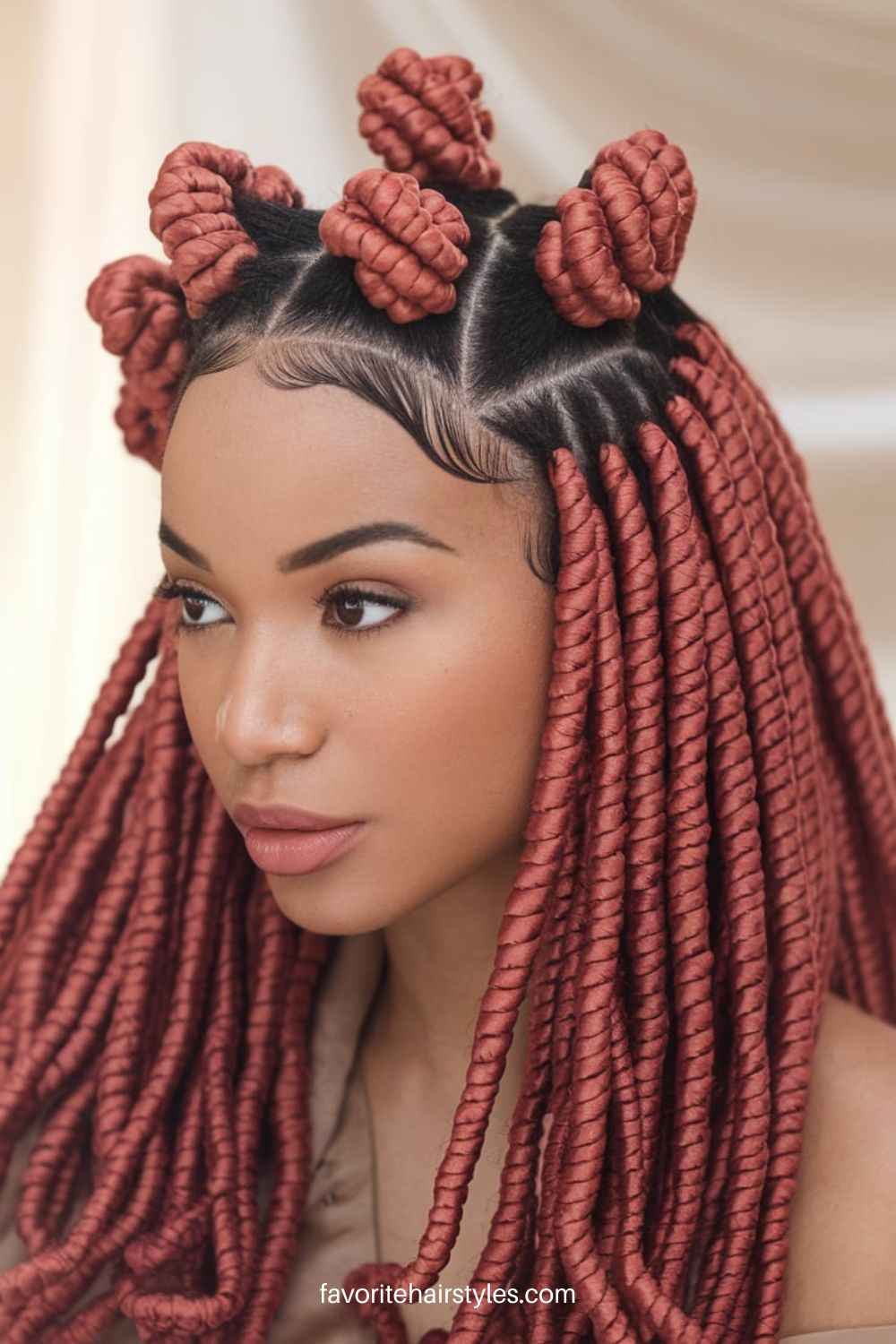
Bantu knots are a protective style and a method of styling. You can do this by parting your hair and twisting it into small knots, making it look very beautiful and coiled. After removing the knots, there will be curls that are defined, and that will leave you with two styles. Bantu knots are also temporary protection and are suitable when a person wants to have the natural feel of his/her 4C hair with the protection.
How to Maintain Protective Styles?
Protective styles are a great way of keeping your 4C hair safe; however, it is highly important to take care of your hair and scalp and to maintain their health in the protective styles. Even the most protective hairstyle may cause the scalp to break and even dry out in case of a lack of appropriate care. The following are crucial measures to adhere to in keeping protective styles in order to have healthy and flourishing hair.
Proper Scalp Care (Cleansing and Moisturizing)
Healthy hair is based on a clean and well-moisturized scalp. Wash your scalp with a gentle, sulfate-free shampoo or a weak rinse with apple cider vinegar so that it does not remove natural oils. Apply a water-based moisturizer or oil to maintain the moisture of your head. Washing and maintaining a healthy scalp is a way of avoiding itchiness, accumulation, and dryness as well as enhancing the healthy development of hair.
Avoiding Excessive Tension to Prevent Traction Alopecia
Protective styles are not supposed to be uncomfortable or painful. Hair is pulled through the follicle, particularly by tight braids, twists, or ponytails, resulting in traction alopecia or hair loss. The style should never be strained; always ask your stylist to make sure the style is not tight, particularly at the edges and the nape. In case of tightness following styling, it is advisable to loosen the affected parts so that they will not be affected permanently.
Moisturizing and Sealing Hair in a Style
Even in protective styles, 4C hair absorbs moisture. Regularly apply a spray or leave-in conditioner that is based on water to moisturize your hair, especially at the ends. Seal in with such natural oils as jojoba, argan, or castor oil after moisturizing. This will help to avoid the drying out, splitting ends, and brittleness of your hair, making sure it remains well fed whilst in the style.
Securing Edges using Soft Products and Techniques
Edges are fragile and must be carefully taken care of. Do not use heavy gels or tight styles that may make your hairline weak. In place of this, apply edge-friendly products, such as aloe vera gel or lightweight edge control, to style and protect this part. Before going to bed, you can tie your hair with a satin or silk scarf to minimize friction and keep the edges of your hair smooth and healthy.
With these tips on how to maintain your protective style, you will get the best out of it, and you will also have strong, hydrated, and beautiful hair that is 4C.
FAQ
What are protective styles?
Protective hairstyles are hairstyles that are meant to reduce the amount of manipulation of your hair, to protect the ends of your hair, and to enhance the overall health of your hair. These styles expose the stressors affecting the environment, such as heat, humidity, and friction, to minimal levels.
What is the significance of protective hairstyles to 4C hair?
The hair of 4C is more vulnerable to breakage, dryness, and tangling because 4C hair is tightly curled in nature. Protective hairstyles also aid in the retention of moisture, decrease breakage, and increase length retention, as the hairstyles protect the strands that are delicate.
What is the maximum length of time for having a protective style?
The time is based on style and maintenance regime. Box braids or faux locs can last 4-8 weeks when well-maintained, whereas other simpler styles, such as two-strand twists or Bantu knots, can last 1-2 weeks. To avoid accumulation or damaged hair, it is best to avoid wearing styles too long.
What is my hair maintenance style?
To keep the protective styles:
- Clean your head frequently with some diluted shampoo or cleansing spray.
- Wet your hair with the use of water-based products and oil it with the use of natural oils.
- Do not put a lot of tension on your head.
- Keep your fashion at night with a satin or silk scarf or bonnet.